
Imagine a city buzzing with life. Streets filled with creatures big and small. Everyone is playing their part in keeping the place alive. Now, dive underwater, and you’ll find coral reefs doing that. They are one of Earth’s most incredible ecosystems. Here is why they matter, how we plant them, and how they even help us fight climate change.
How are coral reefs planted and formed?
Coral reefs don’t just “appear” overnight. Tiny animals build them called coral polyps. Think of them as tiny builders laying down hard calcium carbonate “skeletons” to create the reef’s structure. Over centuries, layer upon layer, vast reef systems have formed.
What about damaged reefs? Here’s where coral gardening comes in. Scientists grow baby corals in underwater nurseries (like greenhouses for the sea). Once strong enough, these corals are “planted” back on the reef to rebuild areas destroyed by bleaching, storms, or human activity. Divers attach coral fragments to rocks using special underwater glue or ties. The corals keep growing, knitting the reef back together.
What do coral reefs do in the ecosystem?
Think of coral reefs as underwater rainforests:
- They’re home to a quarter of all marine life. Fish, turtles, sharks, and sponges depend on reefs for food and shelter.
- They protect coastlines from waves and storms by acting as natural barriers.
- They provide ingredients for medicines we’re only beginning to discover.
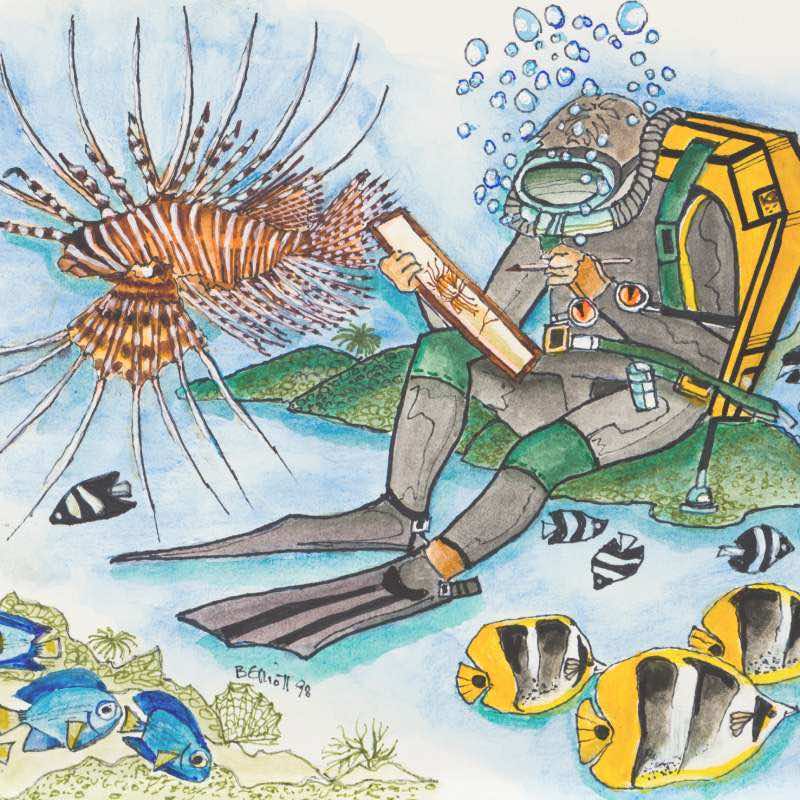
Biodiversity here is key. Each species, from colourful clownfish to algae, has a role in keeping the ecosystem balanced. Many species (including some we eat) would struggle to survive without reefs.
How do coral nurseries help with climate change?
Healthy reefs fight climate change in surprising ways:
- Carbon storage – Corals lock carbon in their skeletons as they grow.
- Fisheries support – Reefs provide breeding grounds for fish that feed millions worldwide.
- Wave protection – As sea levels rise, reefs help shield vulnerable coastlines from erosion.
When we restore reefs using coral nurseries, we give ecosystems a chance to adapt to warming oceans.
Coral reefs are not just pretty, they’re vital to life on Earth. We should be protecting biodiversity, coastlines, and our future by restoring them.