
The Vital Role of Scuba Diving in Marine Conservation and Coastal Engineering
Scuba diving is not just a thrilling underwater adventure; it is a crucial tool in marine ecology, conservation, and coastal engineering. By diving into our oceans, conservationists and engineers can monitor and protect delicate ecosystems like coral reefs and seagrass meadows, observe biodiversity, and gather data to inform protection efforts. Mastering skills like buoyancy control ensures divers move gracefully through fragile environments, minimising harm while conducting important research.
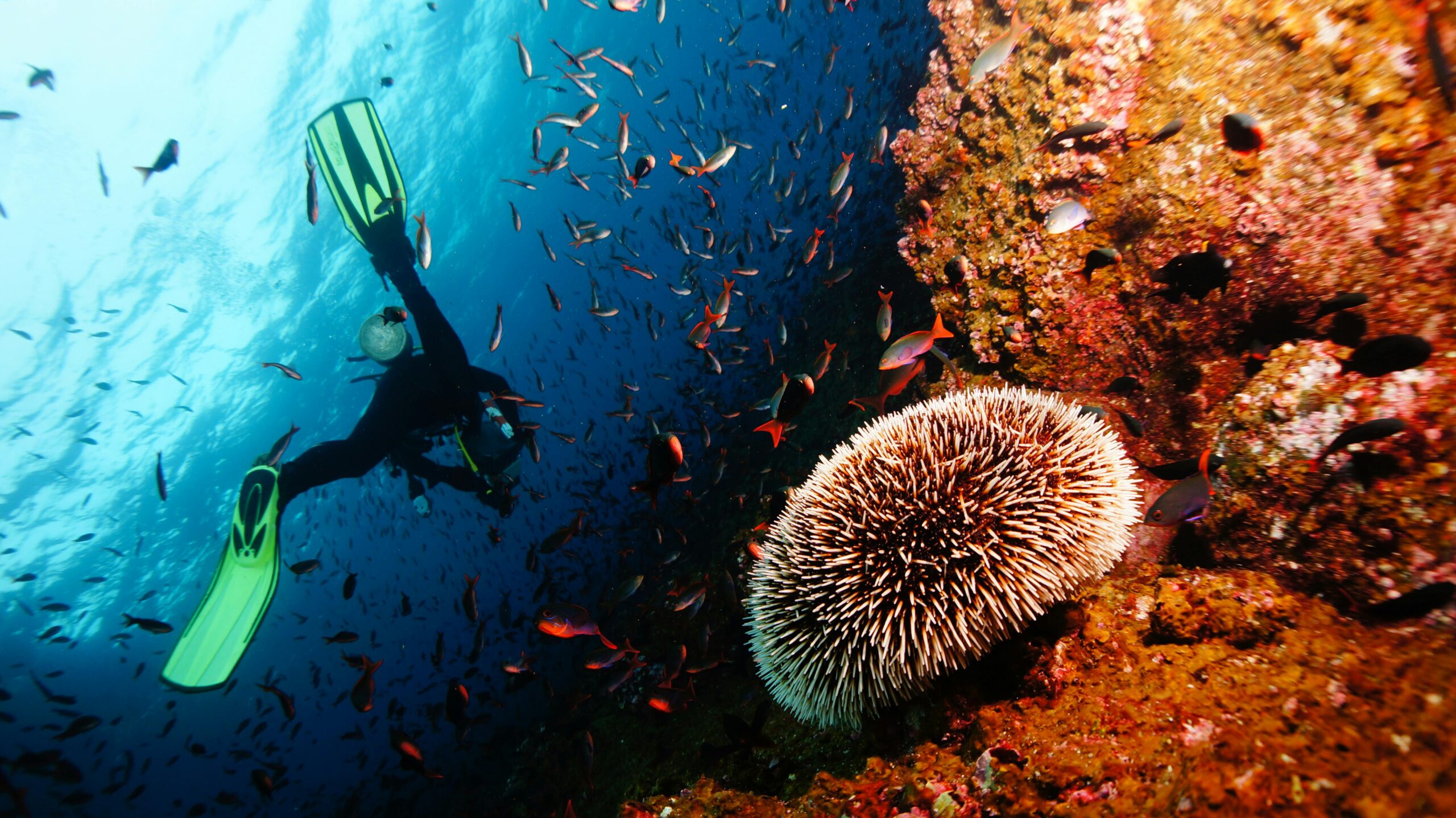
In coastal engineering, scuba divers are key to assessing the impact of structures like seawalls and jetties on marine life, offering hands-on insights that improve design and environmental mitigation. With proper training and certification, divers can contribute meaningfully to sustainable, eco-friendly projects and conservation efforts.
By embracing scuba diving, we gain a unique perspective of the underwater world, empowering us to defend our oceans and their ecosystems. Each dive brings us closer to preserving our planet’s most precious resources for future generations.
Take Away Note:
If you are passionate about marine conservation or looking to get involved, remember: learning the skills of scuba diving with good buoyancy control could be your first step toward making a lasting impact on the health of our oceans. Keep diving, keep learning, and keep protecting.