
As the world faces growing environmental challenges, the need for innovative approaches to conservation has never been more critical. One such approach lies beneath the waves—scuba diving. Whether for ecology, conservation, or coastal engineering, scuba diving plays a vital role in understanding and protecting our marine environments. As Sir David Attenborough once said, “The natural world is changing. It is our most precious thing, and we need to defend it.” Scuba diving offers a unique, firsthand perspective on the underwater world that is indispensable for advancing our collective conservation efforts.
Scuba Diving in Ecology and Conservation
Scuba diving allows ecologists and conservationists to observe and study marine life in its natural habitat. The underwater realm is vastly different from the land-based ecosystems we are familiar with, and gaining insights from direct experience is invaluable.
One of the most critical aspects of underwater research is understanding biodiversity, from coral reefs to kelp forests, seagrass meadows, and the vast array of species that rely on these habitats. Scuba divers are often the first to spot changes in these ecosystems, whether it’s the bleaching of coral reefs due to climate change or the declining health of marine species. By diving into the depths, conservationists can collect data on population health, reproductive success, and behavioural changes, essential for making informed decisions about protection efforts.
Moreover, scuba diving allows for monitoring marine protected areas (MPAs), assessing their effectiveness, and identifying threats that may not be visible from the surface. Without divers who are trained to navigate the underwater landscape safely, many of these invaluable research opportunities would be impossible.
The Role of Buoyancy Control in Conservation Work
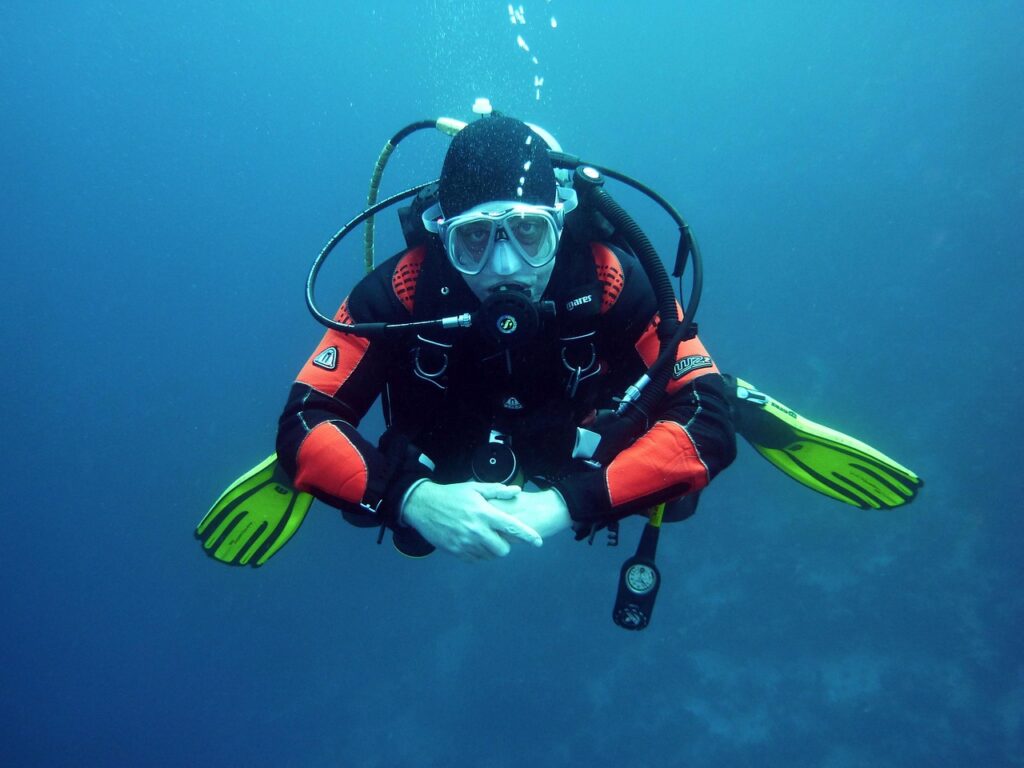
A lesser-discussed, yet equally important, skill in scuba diving is buoyancy control. Buoyancy is a diver’s ability to maintain a neutral position in the water column, neither sinking nor floating to the surface. This skill is crucial not only for diver safety but also for the protection of delicate marine environments.
In conservation, it’s vital to move through marine ecosystems without disturbing fragile organisms such as coral reefs, seagrass beds, or nests. Divers who have mastered buoyancy control can float serenely over sensitive habitats without inadvertently damaging them, whether by crashing into them, stirring up sediment, or leaving behind harmful bubbles. Good buoyancy control helps conserve both the diver’s safety and the ecosystem’s integrity.
Additionally, buoyancy control aids in scientific work, such as coral restoration projects, underwater mapping, or the collection of water samples. These tasks require precision, which is only possible when divers are comfortable and skilled in controlling their movements.